Day: September 11, 2025

  • Innovations in Industrial and Infrastructure Engineering

    Innovations in Industrial and Infrastructure Engineering

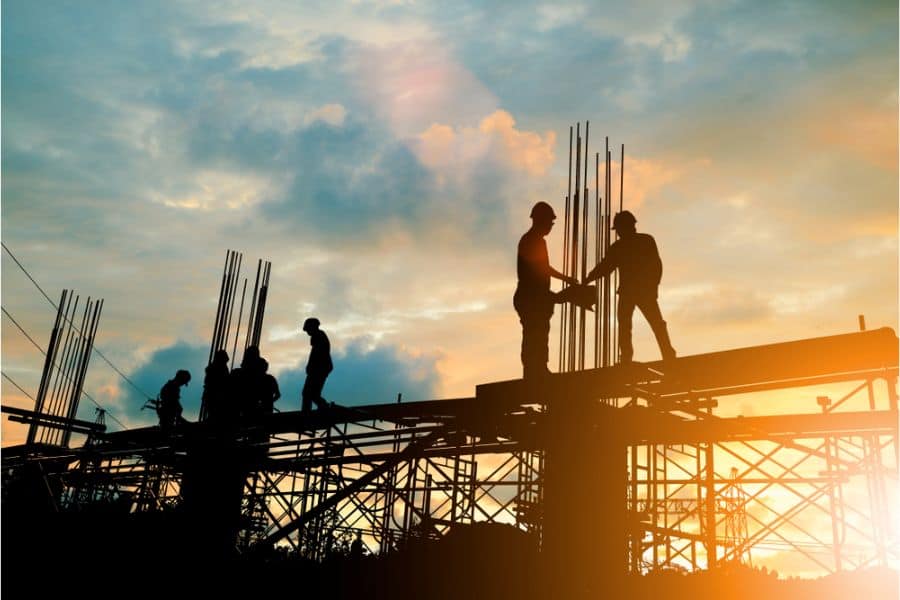
    Industrial and infrastructure engineering is evolving rapidly, driven by the need for efficiency, durability, and sustainability. From designing robust manufacturing facilities to constructing large-scale infrastructure, innovative engineering practices are shaping modern industry.

    The primary goal of industrial and infrastructure engineering is to create systems and structures that are both reliable and efficient. Engineers now use advanced modeling, simulation, and automation tools to streamline processes, reduce errors, and optimize resource utilization. This approach not only improves productivity but also reduces costs and environmental impact.

    In infrastructure projects, durability and resilience are crucial. Engineers select materials and construction techniques that can withstand environmental stresses and heavy usage. Bridges, roads, industrial facilities, and commercial buildings are designed to remain operational for decades while minimizing maintenance requirements.

    Sustainability is becoming a core principle in industrial and infrastructure projects. Integrating energy-efficient designs, eco-friendly materials, and smart technologies ensures that projects meet the increasing demand for environmentally responsible construction. From waste management solutions to renewable energy integration, engineering innovations help reduce environmental impact while maintaining functionality.

    Safety is another critical aspect of modern infrastructure. Advanced monitoring systems, risk management strategies, and compliance with safety standards ensure that both workers and end-users are protected. Well-designed systems minimize the likelihood of accidents and operational disruptions.

    Innovative industrial and infrastructure engineering practices are transforming the way projects are designed, executed, and maintained. By combining advanced technology, sustainability, and safety, engineers are building a foundation for long-lasting, efficient, and environmentally responsible structures that meet the demands of the modern world.
  • Advancing Construction Projects with Modern Engineering Techniques

    Advancing Construction Projects with Modern Engineering Techniques

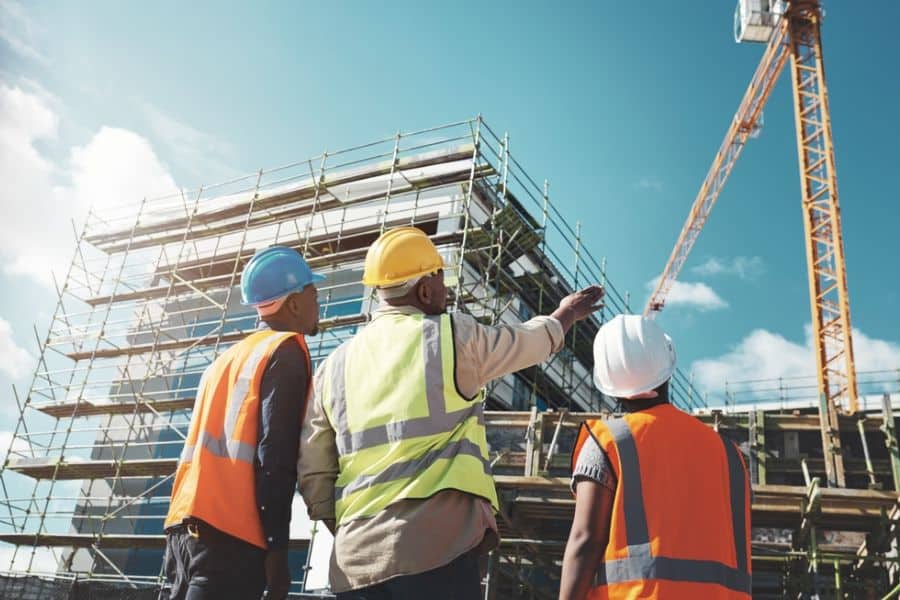
    Modern construction is no longer just about putting up buildings; it’s about integrating technology, efficiency, and sustainability to create structures that last. Advanced engineering techniques are reshaping the construction industry, allowing projects to be completed faster, safer, and with higher quality standards.

    One of the key trends in modern construction is the use of innovative engineering methods that optimize every stage of a project. From planning and design to execution and maintenance, these techniques ensure precision and reliability. Tools like Building Information Modeling (BIM) allow engineers and architects to collaborate effectively, reducing errors and enhancing project coordination. This not only saves time but also reduces unnecessary costs and material wastage.

    Sustainability has become a central focus in construction projects. Utilizing eco-friendly materials, energy-efficient systems, and renewable energy sources ensures that buildings are environmentally responsible. Additionally, incorporating green construction practices can lead to long-term benefits such as lower energy costs, improved air quality, and enhanced occupant comfort.

    Safety is another critical aspect of modern construction. Implementing stringent safety protocols and leveraging advanced monitoring systems helps prevent accidents and ensures the well-being of workers on-site. Efficient project management and risk assessment tools allow teams to foresee potential challenges and take corrective measures before they become issues.

    Moreover, modern engineering solutions facilitate infrastructure that is not just functional but resilient. Whether constructing residential, commercial, or industrial facilities, integrating durable materials and advanced structural designs ensures that buildings withstand environmental stresses and remain operational for decades.

    Modern engineering techniques are transforming construction projects by increasing efficiency, enhancing safety, and promoting sustainability. Through innovative methods and smart planning, projects are now executed with precision and quality, creating structures that serve communities effectively while minimizing environmental impact. The future of construction lies in combining traditional expertise with cutting-edge engineering solutions.